
5 Signs Your Roof May Need Repair
Roof repair signs are often easiest to spot before winter, when heavy rain, strong winds and colder temperatures start putting extra pressure on your home. If you notice missing roof tiles, damp patches, blocked guttering, chimney damage or signs of water getting into the loft, it is worth arranging a roof inspection before the weather worsens.
For homeowners, landlords and property managers in Mansfield, checking your roof before winter can help prevent small issues from turning into leaks, internal damp or more expensive repair work later in the season.
The Winter Roof Check Mansfield Homeowners Should Not Ignore
A roof does not need to be visibly failing to need attention. Many roofing problems start small, then become more obvious after repeated rain, frost or high winds.
The aim of a pre-winter roof check is simple: identify weak points before they allow water into the property.
This is especially important if your roof is older, has been affected by storm damage, or has not been checked for several years. The Met Office weather warnings guidance explains that UK warnings can cover rain, wind, thunderstorms, snow, ice and fog, all of which can affect homes differently during winter.
1. Missing, Slipped Or Cracked Roof Tiles
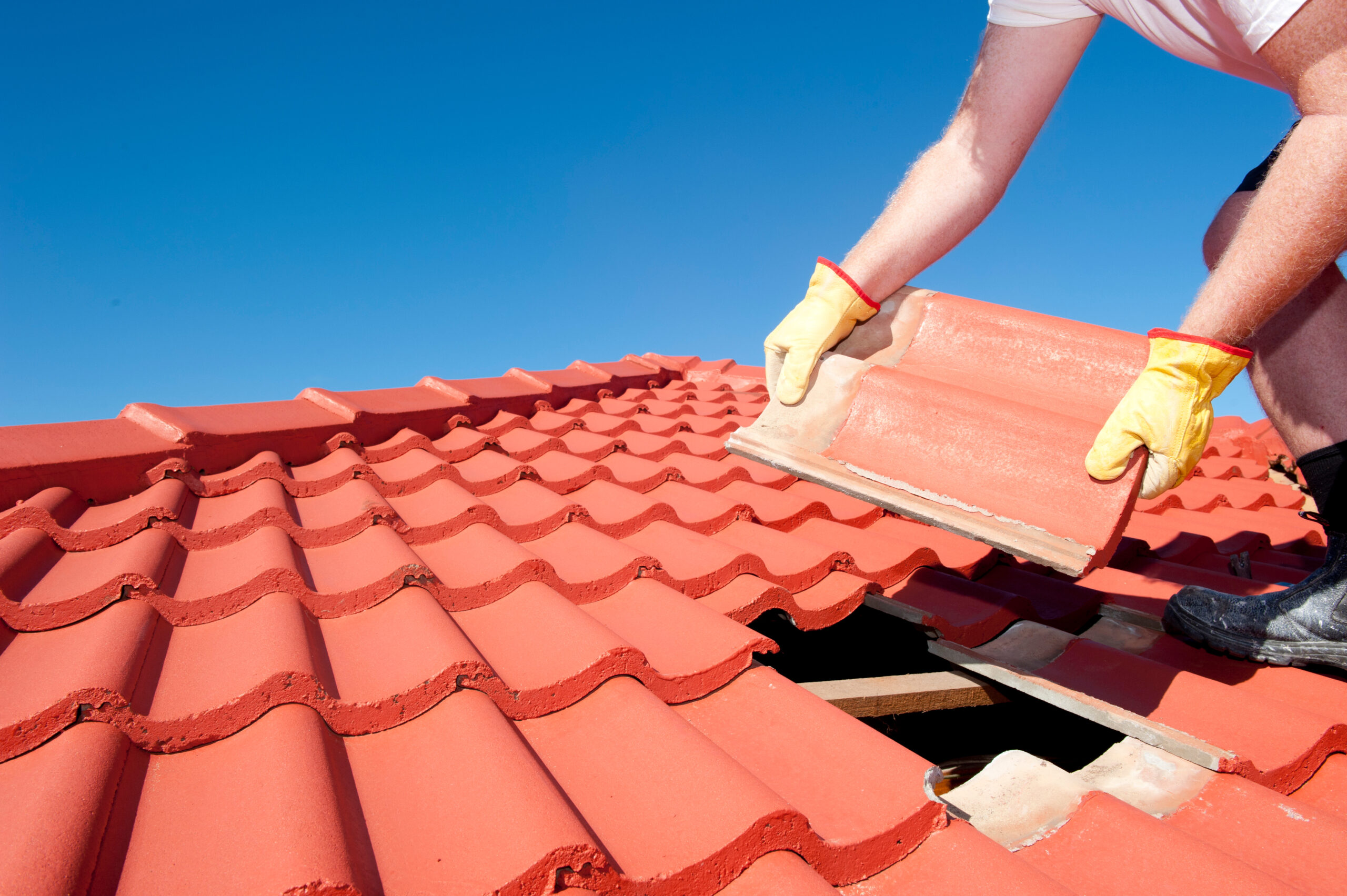
Missing or damaged tiles are one of the clearest signs your roof may need repair. Even one slipped tile can expose the underlay or roof structure beneath, allowing rainwater to find its way in.
Look out for:
- tiles that appear uneven or out of line
- gaps in the roof covering
- cracked tiles visible from ground level
- pieces of tile in gutters or on the ground
- daylight visible from inside the loft
You should not climb onto the roof to check this yourself. A ground-level visual check or a professional inspection is safer and more reliable.
If the issue is limited to a small area, a repair may be enough. If the roof has widespread tile movement, recurring leaks or signs of ageing, it may be worth comparing repair work with a longer-term solution such as roof replacements.

2. Damp Patches, Stains Or Water Marks Indoors
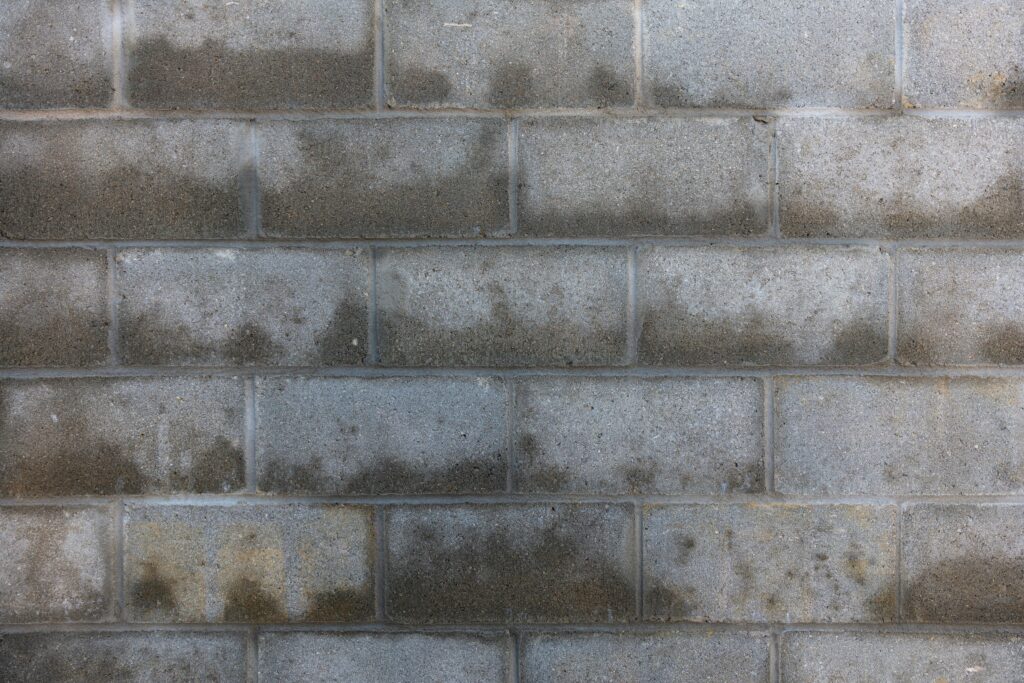
Internal damp is one of the most important warning signs because it can mean water has already entered the property.
Common places to check include:
- ceilings below the loft
- upstairs walls
- chimney breast areas
- corners of rooms
- around rooflights or dormer windows
- inside cupboards on external walls
A small water stain does not always mean the whole roof has failed. It could be caused by damaged flashing, slipped tiles, cracked mortar, blocked guttering or poor roofline drainage.
However, water marks should never be ignored. If damp appears after heavy rain, it is a strong sign that your roof or associated drainage needs checking.
For smaller issues, roof repairs may resolve the problem before it spreads further.
3. Blocked, Leaking Or Overflowing Guttering
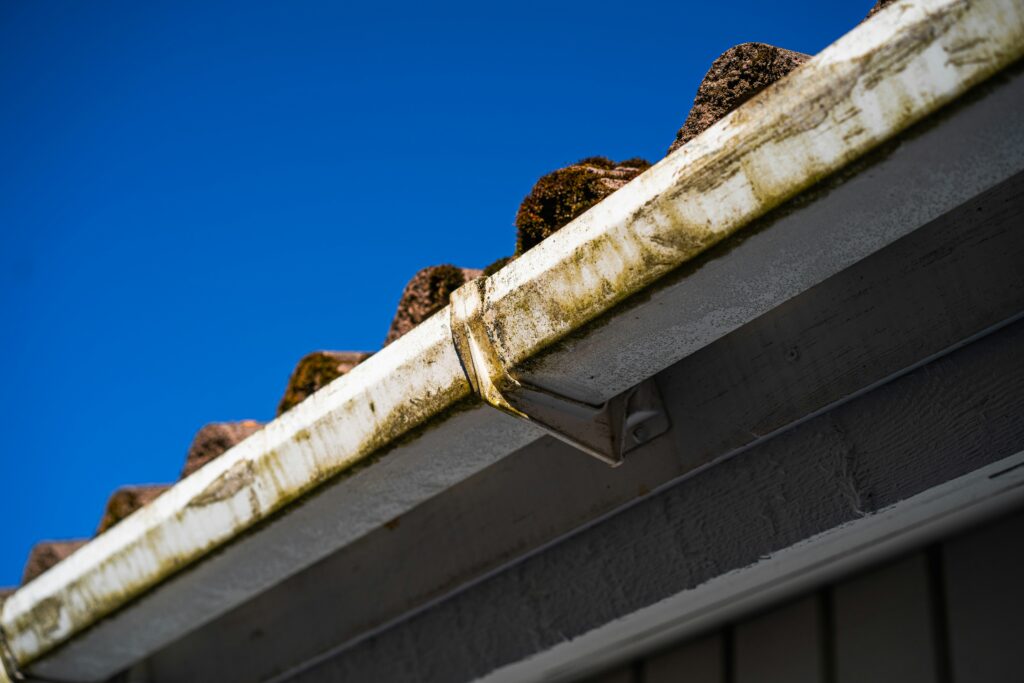
Guttering is part of your roof’s weather protection system. If gutters are blocked, cracked or pulling away from the fascia, rainwater may overflow and run down walls instead of draining safely away.
This can lead to:
- damp external walls
- staining on brickwork or render
- water pooling near the base of the property
- damage to fascias and soffits
- increased risk of internal damp
Autumn leaves and winter debris can quickly block gutters, especially around properties with nearby trees. It is sensible to check gutters before winter and again after periods of strong wind.
Guttering issues can sometimes look like roof leaks from inside the property, so a proper inspection should consider both the roof covering and rainwater drainage.
4. Chimney Damage Or Loose Flashing
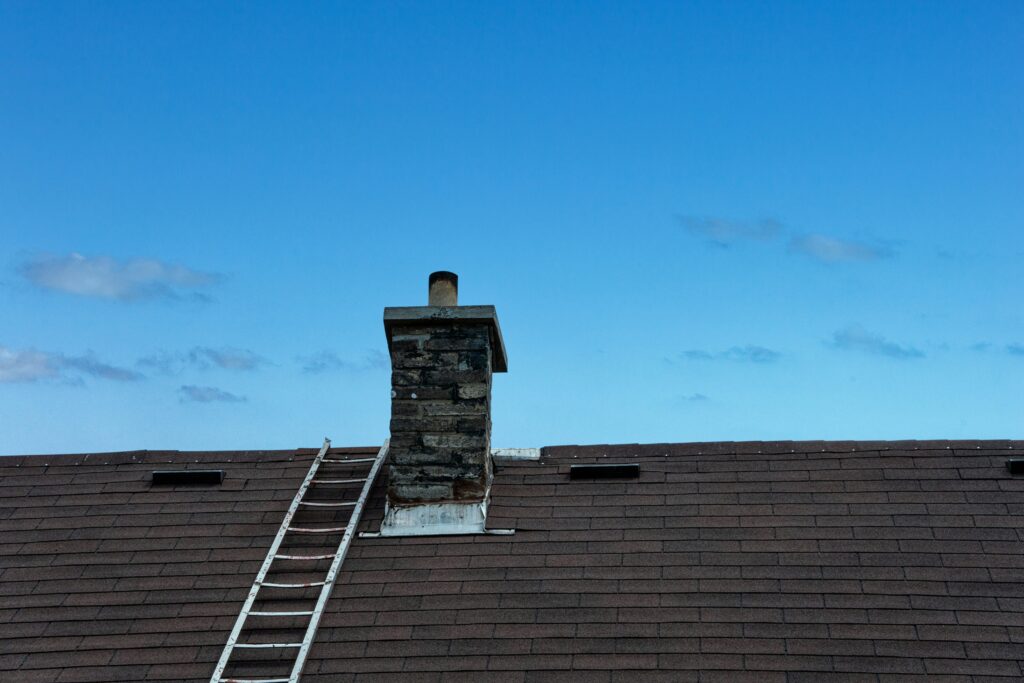
Chimneys are a common source of roof leaks because they create a break in the roof surface. The flashing around the chimney must remain secure and watertight.
Signs of chimney-related roof problems include:
- cracked or missing mortar
- loose lead flashing
- damp around a chimney breast
- leaning or damaged chimney pots
- vegetation growing from brickwork
- water stains near the chimney inside the loft
Chimney damage can worsen during winter as water enters cracks and expands during freezing conditions. If you already know the chimney stack is weathered, it is better to address it before repeated frost and rain make the problem worse.
The NHBC roof standards guidance highlights the importance of correct roof detailing and fixing, which is especially relevant around areas such as valleys, verges, ridges and roof junctions.
5. Signs Of Water, Light Or Musty Smells In The Loft
Your loft can reveal roof problems before they become visible in living areas. A quick check from inside the loft can help identify early warning signs.
Look for:
- daylight coming through the roof covering
- damp insulation
- dark staining on timbers
- musty smells
- mould growth
- water droplets or condensation
- sagging underlay
Some loft moisture can be caused by condensation rather than a roof leak, especially if ventilation is poor. However, damp insulation, clear water marks or staining after rain should be treated seriously.
If you are a landlord or property manager, loft checks can be particularly useful before winter because they help identify hidden problems before tenants report internal damage.
When A Roof Repair May Not Be Enough
Not every roof problem requires a full replacement. Many issues can be repaired if they are identified early.
A repair may be suitable when:
- only a few tiles are damaged
- flashing has lifted in one area
- guttering needs clearing or fixing
- a leak has a clear localised cause
- storm damage is limited
A replacement may need to be considered when:
- leaks keep returning
- large sections of the roof are failing
- the roof covering has reached the end of its useful life
- structural timbers are affected
- repair work would only provide a short-term fix
A professional inspection should explain the difference clearly, so you can make an informed decision rather than guessing.
Why Storm Damage Should Be Checked Quickly
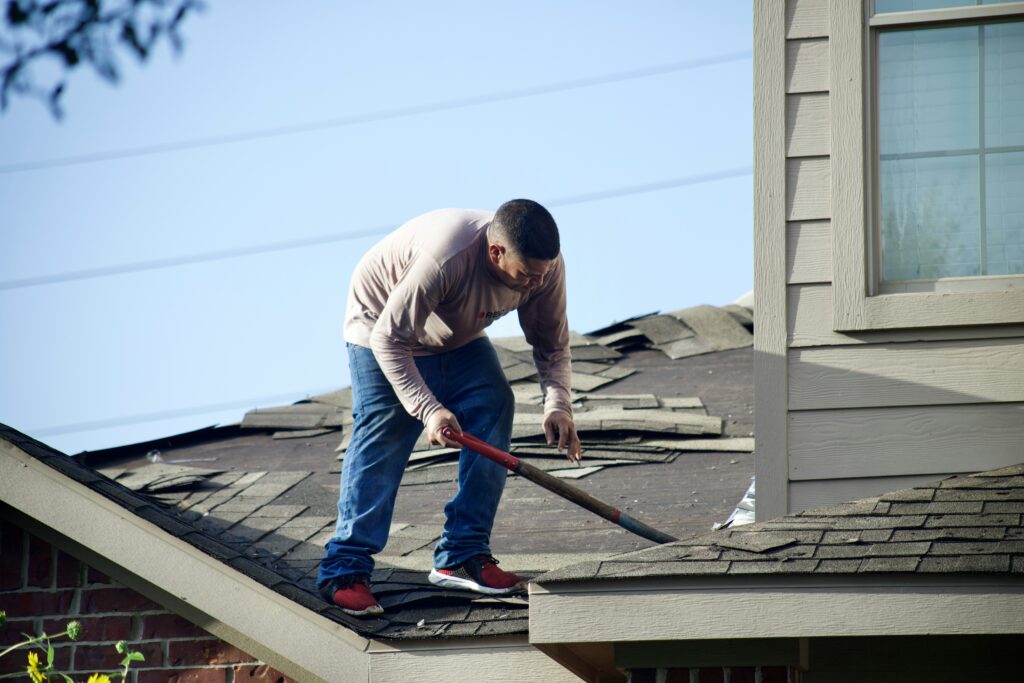
Storm damage is not always dramatic. After high winds, a roof can look mostly intact from the ground while still having lifted tiles, damaged ridges or loosened flashing.
After severe weather, check for:
- debris on the ground
- new rattling or movement sounds
- sudden leaks
- broken tiles in gutters
- dislodged ridge tiles
- guttering that has come loose
If there has been a recent weather warning or strong winds in your area, it is sensible to inspect the property visually from ground level once conditions are safe.
Do not climb ladders during or immediately after bad weather. If something looks unsafe, arrange a professional roof inspection.
What To Do If You Spot A Possible Roof Problem
If you notice one or more roof repair signs, the next step is to gather basic information safely.
You can:
- take photos from ground level
- note when leaks or damp marks appear
- check whether the issue worsens after rain
- look inside the loft if it is safe to do so
- clear visible ground-level debris
- avoid temporary DIY fixes on the roof itself
This information can help a roofing contractor diagnose the issue more accurately.
For broader maintenance concerns, property owners can also review related support through roofing services and general property care advice on the FAQs page.
Frequently Asked Questions About Roof Repair Signs
What Is The Most Obvious Sign My Roof Needs Repair?
The most obvious signs are missing tiles, active leaks, damp patches on ceilings, overflowing guttering and visible damage around the chimney or roofline.
Should I Get My Roof Checked Before Winter?
Yes, especially if the roof is older, has leaked before or has been exposed to recent storm damage. A pre-winter inspection can identify small issues before bad weather makes them worse.
Can Blocked Gutters Cause Roof Leaks?
Blocked gutters can contribute to damp and water damage by forcing rainwater to overflow and run where it should not. They may not always be the only cause, but they should be checked as part of roof maintenance.
Is A Small Roof Leak Urgent?
Yes. Even a small leak can damage insulation, ceilings, timber and plaster if left unresolved. It is better to investigate the source early.
How Do I Know If I Need Roof Repairs Or A Full Roof Replacement?
A professional inspection should assess the age, condition and extent of damage. Localised faults may only need repair, while widespread failure may make replacement more practical.
Get In Touch
Arrange A Roof Check Before Winter Weather Sets In
If you have spotted missing tiles, damp patches, chimney damage or signs of storm damage, it is worth getting advice before winter conditions make the problem worse.
ISPMS Ltd provides roof repairs, roof replacements, guttering support, chimney repairs and property maintenance across Mansfield. The team is DBS-checked, CPA-accredited and focused on practical, long-lasting workmanship.
You can read more about roof repairs, compare options for roof replacements, view examples of completed work on the Our Work page, or ask for advice through the contact page.
- ispmsltd@gmail.com
- 01623 572424
-
63 Portland St
Mansfield Woodhouse,
Mansfield NG19 8BE